
Destination
Serengeti National Park
Fourteen thousand square kilometres of plain, and the reason most people come to Tanzania.
What you will find
Resident lion, leopard, cheetah, elephant and giraffe year-round, plus roughly 1.3 million wildebeest and 200,000 zebra that move through on an annual circuit. The resident game is the reliable part; the migration is the part that depends on when you come.
Where the migration is, by month
December to March the herds are on the southern short-grass plains around Ndutu, calving in late January and February. April and May they move north-west through the Moru area. June and July they cross the Grumeti. July to October they are in the north near the Mara river. November they drift back south. None of this is a timetable and none of it is guaranteed.
When to go
June to October is dry, easy to drive and busy. January to March is green, quieter, and the calving is extraordinary. April and May are the long rains — the park is at its emptiest and cheapest, and some tracks become difficult.
Departures that go here
Ways to see Serengeti
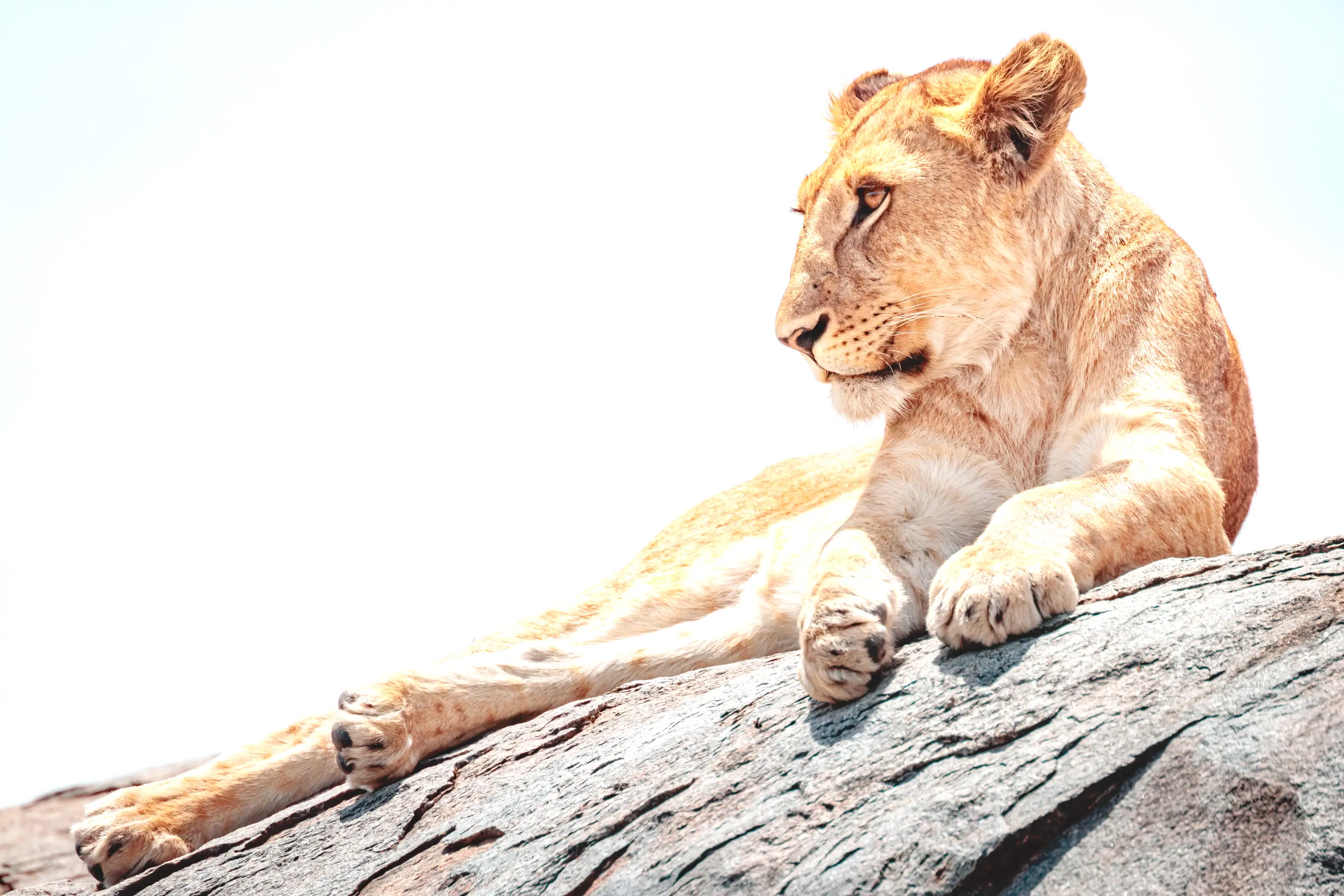
3 days · 2 nights
3-Day Serengeti & Ngorongoro Safari
Serengeti · Ngorongoro
The shortest itinerary that reaches the Serengeti itself rather than spending itself on the road. Two nights out, one full day on the plains, and the …

4 days · 3 nights
4-Day Tarangire, Serengeti & Ngorongoro Safari
Tarangire · Serengeti · Ngorongoro
Elephants in Tarangire, a full day in the Serengeti, and the Ngorongoro Crater on the way home.…
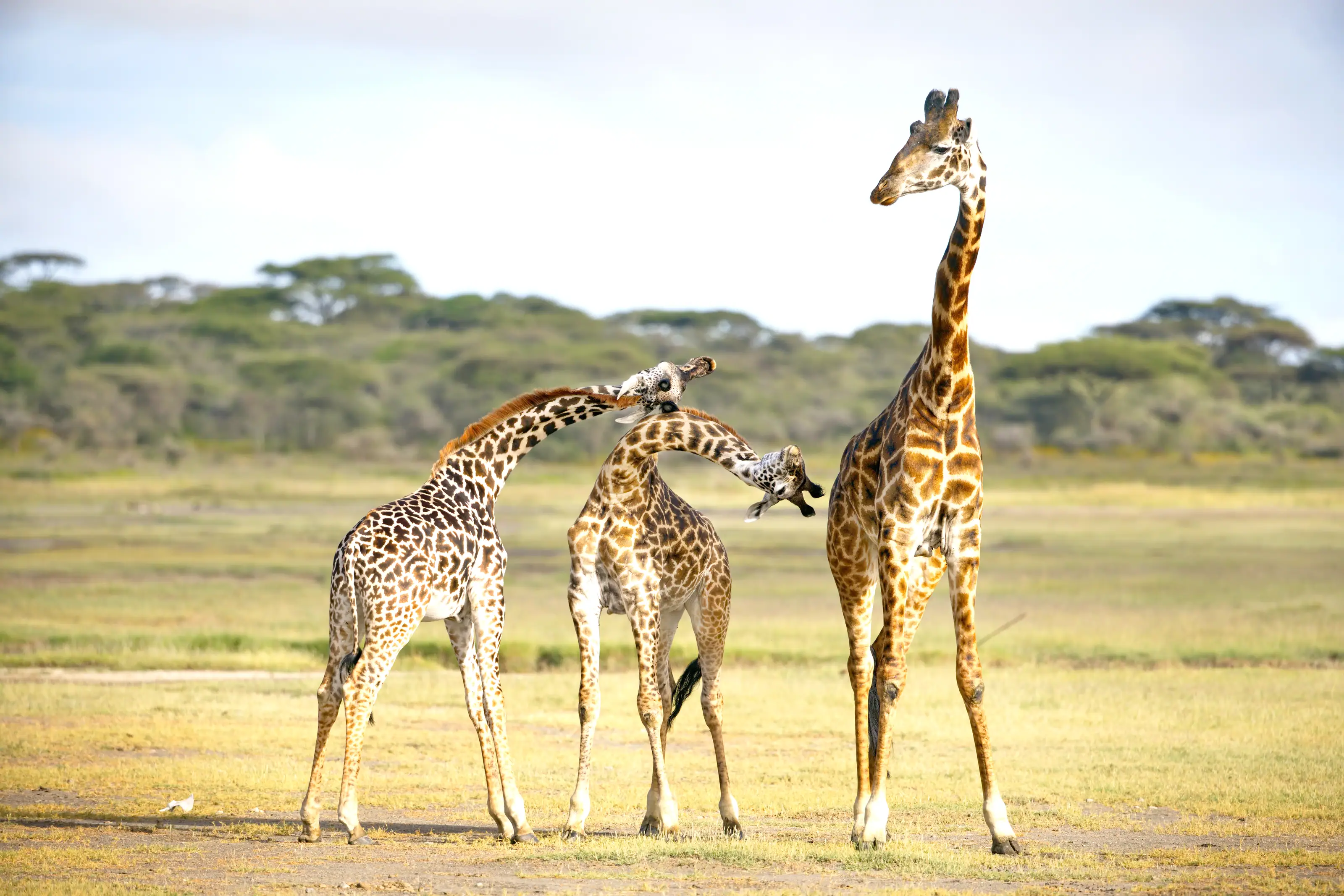
5 days · 4 nights
5-Day Northern Circuit Safari
Tarangire · Serengeti · Ngorongoro
Tarangire, two nights in the Serengeti and the Ngorongoro Crater. The fifth day means you unpack once and settle in.…
Questions
What people ask
How many days do I need in the Serengeti?
Two nights minimum, three if the migration matters. One night means you spend most of your time driving to and from it.
What does the park fee cover?
Entry per person per 24 hours, set by TANAPA and revised annually. Our itineraries state whether fees are included; on every UrbanWay departure they are.
Plan it